
The Diet Myth: Tim Spector’s Perspective & Finding a Free PDF
Tim Spector challenges conventional wisdom regarding diets‚ particularly concerning osteoporosis prevention and dairy consumption. His work‚ detailed in resources like the Zoe podcast‚
explores personalized nutrition and the impact of ultra-processed foods. Finding a legitimate‚ free PDF of “Diet Myth” requires careful source verification‚ avoiding unofficial websites;
Tim Spector’s work fundamentally questions long-held beliefs about nutrition and dieting‚ moving away from generalized recommendations. For decades‚ dietary advice has centered on calorie restriction and specific macronutrient ratios‚ often promoting “one-size-fits-all” approaches. However‚ Spector‚ through research highlighted on the Zoe podcast and in his book “Diet Myth‚” argues that these conventional strategies frequently fail due to a critical oversight: individual biological variability.
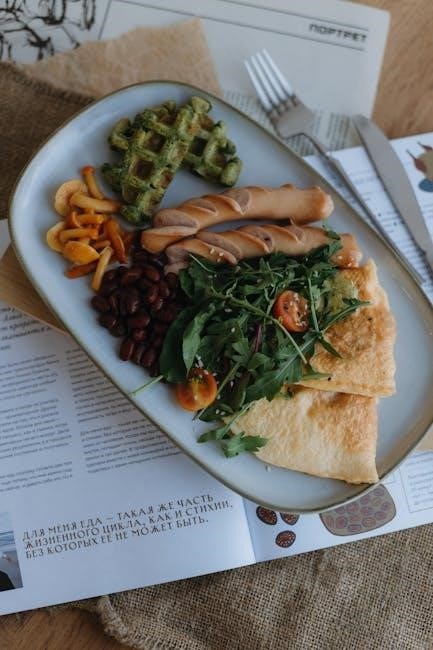
He posits that our unique gut microbiomes‚ metabolic responses‚ and genetic predispositions significantly influence how we process food. This challenges the notion that a single diet can universally optimize health. The debate surrounding osteoporosis prevention‚ specifically the reliance on dairy for bone health‚ exemplifies this challenge. Spector and other experts are actively debunking these myths‚ advocating for a more nuanced understanding of nutritional needs.

The search for a free PDF of “Diet Myth” reflects a growing interest in Spector’s perspective‚ but caution is advised regarding source legitimacy. Understanding the core of his argument – that personalized nutrition is key – is crucial before diving into specific dietary plans.
Tim Spector’s Core Arguments Against Traditional Dieting
Tim Spector’s central critique of traditional dieting revolves around its oversimplification of human metabolism and the neglect of the gut microbiome. He argues that calorie counting is largely ineffective because it doesn’t account for individual variations in how food is processed. The Zoe program‚ built on his research‚ emphasizes that people respond drastically differently to the same foods – some thrive on carbohydrates‚ while others fare better with fats.
Furthermore‚ Spector challenges the demonization of entire food groups‚ like dairy‚ highlighting that blanket recommendations ignore individual tolerances and microbiome compositions. His work‚ often discussed on the Zoe podcast‚ demonstrates that focusing on food diversity and polyphenol intake is far more beneficial than restrictive dieting. He actively debunks the idea that osteoporosis is solely prevented by calcium and vitamin D‚ advocating for a broader nutritional approach.
The desire to find a free PDF of “Diet Myth” stems from a growing recognition of these limitations within conventional dietary advice‚ seeking a more personalized and scientifically grounded approach.
The Problem with “One-Size-Fits-All” Diets
Tim Spector vehemently opposes “one-size-fits-all” diets‚ arguing they fail to acknowledge the profound impact of individual metabolic differences and‚ crucially‚ the gut microbiome. Traditional dietary guidelines often prescribe universal recommendations – low-fat‚ low-carb‚ etc. – that disregard the unique biological responses to food. This approach‚ he contends‚ is a primary reason for diet failures and widespread nutritional confusion.
His research‚ frequently featured on the Zoe Nutrition podcast‚ reveals that identical individuals can experience vastly different blood sugar responses to the same meal. This variability is largely dictated by the composition of their gut bacteria. Consequently‚ a diet beneficial for one person could be detrimental to another. The search for a free PDF of “Diet Myth” reflects a growing awareness of this personalized nutritional need.
Spector’s work emphasizes that effective dietary strategies must be tailored to individual microbiome profiles and metabolic characteristics‚ moving beyond generalized recommendations.
The Role of the Gut Microbiome in Diet Success
Tim Spector places the gut microbiome at the heart of successful dieting‚ a concept central to his work and popularized through the Zoe Nutrition podcast. He demonstrates that the trillions of bacteria residing in our gut profoundly influence how we process food‚ impacting everything from nutrient absorption to inflammation and even cravings.
A diverse and thriving microbiome is crucial for optimal health and weight management. Spector’s research reveals that individuals with greater gut microbial diversity tend to have healthier metabolic responses. Conversely‚ a depleted microbiome can contribute to insulin resistance‚ increased fat storage‚ and a predisposition to chronic diseases. The desire to access a free PDF of “Diet Myth” stems from a growing understanding of this connection.
He advocates for a diet rich in diverse plant-based foods to nourish beneficial gut bacteria‚ emphasizing that feeding the microbiome is more important than simply restricting calories.

Debunking the Dairy & Bone Health Myth
Tim Spector‚ alongside other health experts featured on the Zoe podcast‚ actively challenges the long-held belief that high dairy and calcium intake are essential for strong bones. He presents compelling evidence suggesting this is a simplification‚ and potentially even a misconception‚ regarding osteoporosis prevention.
Spector’s research indicates that the relationship between dairy consumption and bone health is far more complex than previously understood. Factors like genetics‚ gut health‚ and overall dietary diversity play a significantly larger role. He highlights that populations with low dairy consumption often exhibit lower rates of osteoporosis‚ questioning the universal applicability of the dairy-centric advice.
The growing interest in accessing a free PDF of “Diet Myth” reflects a desire to understand these nuanced perspectives. Spector advocates for a broader approach to bone health‚ focusing on a diverse diet rich in nutrients beyond calcium and vitamin D‚ and a healthy gut microbiome.
Osteoporosis Prevention: Beyond Calcium & Vitamin D
Tim Spector’s perspective‚ shared on the Zoe podcast‚ emphasizes that preventing osteoporosis requires a holistic approach extending far beyond simply increasing calcium and vitamin D intake. He argues that focusing solely on these nutrients overlooks crucial contributing factors to bone density and overall skeletal health.

Spector highlights the critical role of the gut microbiome in nutrient absorption‚ including calcium. A diverse and healthy gut flora enhances the body’s ability to utilize these essential minerals effectively. He also points to the importance of other nutrients‚ like magnesium‚ vitamin K2‚ and various polyphenols‚ often overlooked in conventional osteoporosis prevention strategies.
The increasing search for a free PDF of “Diet Myth” demonstrates a growing public interest in these alternative viewpoints. Spector advocates for a diet rich in diverse plant-based foods‚ promoting gut health and providing a wider spectrum of bone-supporting nutrients‚ rather than relying heavily on dairy.
Personalized Nutrition: The Zoe Program & Its Principles
Tim Spector champions personalized nutrition through the Zoe Program‚ a scientifically-backed approach that moves away from generic dietary recommendations. The program centers on understanding an individual’s unique metabolic responses to food‚ utilizing at-home testing kits to analyze gut microbiome composition‚ blood sugar responses‚ and fat metabolism.
Unlike “one-size-fits-all” diets‚ Zoe aims to identify which foods promote optimal health for each person. This involves tracking post-meal glucose levels and analyzing the diversity of gut bacteria‚ revealing how different individuals process the same foods. The program’s principles directly challenge the core tenets of traditional dieting‚ advocating for food choices based on personal biological data.
Interest in Spector’s work is evident in the online search for a free PDF of “Diet Myth‚” as people seek to understand the foundations of this personalized approach. Zoe emphasizes food diversity and minimizing ultra-processed foods‚ tailoring recommendations to individual needs.
Understanding Food Diversity & Its Impact
Tim Spector’s research‚ popularized through the Zoe podcast and his book “Diet Myth‚” highlights the critical importance of food diversity for optimal gut health and overall well-being; He argues against restrictive diets‚ emphasizing that a wide range of plant-based foods fuels a more robust and resilient gut microbiome.
A diverse microbiome‚ Spector explains‚ is key to processing different nutrients‚ regulating inflammation‚ and strengthening the immune system. He challenges the notion of “superfoods‚” advocating instead for consistently consuming a broad spectrum of fruits‚ vegetables‚ and other plant sources. This approach contrasts sharply with the focus on specific nutrients often found in conventional dietary advice.
The growing interest in accessing a free PDF of “Diet Myth” reflects a desire to learn more about these principles. Spector’s work demonstrates that maximizing the variety of foods consumed is far more impactful than simply counting calories or adhering to rigid dietary rules.
The Limitations of Calorie Counting
Tim Spector‚ through his work detailed in the Zoe podcast and his book “Diet Myth‚” fundamentally challenges the long-held belief that calorie counting is an effective weight management strategy. He argues that calories are not created equal‚ and the body processes them differently based on food composition and individual gut microbiome variations.
Spector’s research demonstrates that focusing solely on caloric intake ignores crucial factors like the impact of food on gut bacteria‚ hormonal responses‚ and metabolic rate. Two individuals consuming the same number of calories can experience vastly different outcomes due to these personalized biological differences.
The search for a free PDF of “Diet Myth” often stems from a growing dissatisfaction with traditional dieting methods‚ including calorie restriction. Spector advocates for prioritizing food quality and diversity over simply reducing caloric intake‚ emphasizing a more nuanced and personalized approach to nutrition.
Metabolic Individuality: Why We Respond Differently to Foods
Tim Spector’s core argument‚ explored extensively in the Zoe podcast and his book “Diet Myth‚” centers on the concept of metabolic individuality. He posits that everyone responds uniquely to the same foods‚ debunking the notion of a “one-size-fits-all” diet. This variability is largely attributed to differences in gut microbiome composition‚ genetics‚ and lifestyle factors.
Spector highlights how identical twins‚ despite sharing nearly identical DNA‚ can exhibit distinct metabolic responses to the same meal. This underscores the significant role of environmental factors‚ particularly the gut microbiome‚ in shaping individual metabolic profiles.
The increasing interest in finding a free PDF of “Diet Myth” reflects a growing awareness of these personalized nutritional needs. Spector’s work encourages individuals to move beyond generalized dietary guidelines and embrace a more tailored approach to eating‚ focusing on understanding their own unique metabolic responses.
The Impact of Ultra-Processed Foods on Health
Tim Spector consistently emphasizes the detrimental effects of ultra-processed foods (UPFs) on overall health‚ a key theme discussed on the Zoe podcast and detailed in “Diet Myth.” He argues that UPFs disrupt the gut microbiome‚ leading to inflammation and metabolic dysfunction‚ regardless of calorie intake.
These foods‚ often high in sugar‚ salt‚ and unhealthy fats‚ are designed to be hyper-palatable‚ overriding natural satiety signals and promoting overeating. Spector’s research suggests a strong correlation between UPF consumption and increased risk of obesity‚ type 2 diabetes‚ and cardiovascular disease.
The search for a free PDF of “Diet Myth” is often driven by a desire to understand how to navigate the modern food environment and minimize exposure to UPFs. Spector advocates for prioritizing whole‚ unprocessed foods to nourish the gut microbiome and support optimal metabolic function‚ moving away from reliance on convenience and heavily marketed products.
The Importance of Fiber for Gut Health & Weight Management
Tim Spector highlights fiber as a cornerstone of a healthy diet‚ crucial for nurturing a diverse gut microbiome – a central tenet of his work‚ frequently discussed on the Zoe podcast and within his book‚ “Diet Myth.” He emphasizes that fiber isn’t just about regularity; it’s about feeding the trillions of microbes in our gut.
A fiber-rich diet promotes the production of short-chain fatty acids (SCFAs)‚ which have numerous health benefits‚ including reduced inflammation and improved insulin sensitivity. Spector argues that focusing on fiber intake‚ alongside reducing ultra-processed foods‚ is more effective for weight management than simply counting calories.
Individuals seeking a free PDF of “Diet Myth” are often looking for practical strategies to improve their gut health and achieve sustainable weight loss. Spector champions a diverse range of plant-based foods to maximize fiber intake and support a thriving gut ecosystem‚ challenging conventional dieting approaches.
Tim Spector’s Views on Intermittent Fasting
Tim Spector approaches intermittent fasting (IF) with a nuanced perspective‚ diverging from the often-promoted benefits. While acknowledging potential advantages for some‚ he cautions against a “one-size-fits-all” approach‚ a recurring theme in his critique of conventional dieting‚ explored extensively on the Zoe podcast and in “Diet Myth.”
Spector’s research suggests that the impact of IF varies significantly based on individual gut microbiomes and metabolic responses. He emphasizes that prolonged fasting can negatively affect gut diversity in certain individuals‚ potentially undermining overall health. He advocates for personalized approaches‚ prioritizing consistent‚ diverse food intake over restrictive eating windows.
Those searching for a free PDF of “Diet Myth” will find Spector’s arguments against rigid dietary rules particularly relevant. He suggests that focusing on what you eat – prioritizing whole‚ unprocessed foods – is far more crucial than when you eat‚ challenging the widespread popularity of IF protocols.
The Role of Polyphenols in a Healthy Diet
Tim Spector champions the importance of polyphenols – naturally occurring compounds found in plants – as key contributors to a healthy gut microbiome and overall well-being. He argues that these compounds‚ abundant in colorful fruits‚ vegetables‚ and even dark chocolate‚ are often overlooked in traditional dietary advice‚ a central tenet of his “Diet Myth” perspective‚ detailed on the Zoe podcast.
Polyphenols aren’t directly absorbed by the human body; instead‚ they act as fuel for beneficial gut bacteria‚ fostering diversity and resilience. Spector’s research highlights how a diet rich in polyphenols can improve metabolic health‚ reduce inflammation‚ and enhance immune function. He stresses that variety is crucial‚ as different polyphenols feed different bacterial strains.
For those seeking a free PDF of “Diet Myth‚” understanding Spector’s emphasis on plant diversity is paramount. He advocates for consuming a wide range of plant-based foods daily‚ moving beyond simplistic calorie counting and macronutrient focuses‚ to maximize polyphenol intake and optimize gut health.
Finding a “Diet Myth” Free PDF: Legitimate Sources
Locating a free PDF of Tim Spector’s “Diet Myth” requires caution. While numerous websites claim to offer downloads‚ many are unreliable and potentially harbor malware. The official Zoe website (zoe.com) is the most trustworthy starting point‚ often providing excerpts or promotional materials that may include PDF previews.
Reputable online libraries and academic databases sometimes offer access to digital versions‚ though full-text availability varies. Checking university library websites or Google Scholar can yield results. Be wary of sites promising complete‚ free downloads without clear attribution or security measures. Always scan downloaded files with updated antivirus software.
Furthermore‚ consider exploring legitimate audiobook platforms‚ as listening can be a convenient alternative. While not a PDF‚ it delivers the content directly from the author’s perspective. Prioritize official sources to ensure you’re receiving accurate information aligned with Spector’s research and avoid copyright infringement.
Risks of Downloading PDFs from Unofficial Websites
Downloading PDFs of Tim Spector’s “Diet Myth” from unofficial websites carries significant risks. These sites often lack robust security protocols‚ making them breeding grounds for malware‚ viruses‚ and spyware. These malicious programs can compromise your device‚ steal personal data‚ and disrupt system functionality.
Furthermore‚ PDFs sourced from untrusted origins may contain altered content‚ misrepresenting Spector’s research and potentially offering harmful dietary advice. Copyright infringement is also a concern‚ supporting illegal distribution and undermining the author’s work. Many such sites employ deceptive tactics‚ like misleading advertisements and pop-ups‚ further jeopardizing your online safety.
Protecting yourself requires vigilance. Avoid sites promising “free” downloads without clear source attribution. Always verify the website’s legitimacy and ensure your antivirus software is up-to-date. Prioritize official sources like the Zoe website or reputable online libraries to access accurate and safe information regarding “Diet Myth.”
Zoe Nutrition Podcast & Resources

The Zoe Nutrition Podcast‚ hosted by Tim Spector‚ serves as a primary platform for exploring the concepts detailed in “Diet Myth” and beyond. Episodes frequently feature discussions debunking common dietary fallacies‚ like the necessity of dairy for bone health‚ and delve into the complexities of personalized nutrition.
Zoe’s website (zoe.com) offers a wealth of resources‚ including articles‚ research summaries‚ and access to the Zoe Program – a personalized nutrition plan based on gut microbiome analysis and metabolic testing. While a free PDF of “Diet Myth” isn’t directly available on the site‚ the podcast provides in-depth explanations of the book’s core arguments.
Subscribing to the podcast and exploring Zoe’s online resources offers a safe and reliable way to access Spector’s insights. The platform emphasizes evidence-based nutrition‚ promoting a deeper understanding of how food impacts individual health‚ moving beyond generalized dietary recommendations.
Tim Spector’s Books: “Diet Myth” & Related Works
Tim Spector’s groundbreaking book‚ “Diet Myth: Why the Sugar Fear and Calorie Counting Have Driven Us to Fat‚” challenges conventional dietary advice‚ advocating for a personalized approach to nutrition. It’s a cornerstone for understanding his research on the gut microbiome and metabolic individuality.
While a completely free‚ legal PDF version of “Diet Myth” is difficult to find‚ the book is widely available for purchase in physical and digital formats through major booksellers. Spector has also authored other influential works‚ such as “Spoon-Fed: Why Almost Everything We’ve Been Told About Food Is Wrong‚” expanding on his critique of mainstream nutritional science.

These books provide a comprehensive overview of his findings‚ emphasizing the importance of food diversity‚ fiber intake‚ and minimizing ultra-processed foods. Exploring these resources offers a deeper understanding than relying on potentially unreliable‚ illegally distributed PDF copies.

Criticisms and Counterarguments to Spector’s Theories
Tim Spector’s work‚ while influential‚ isn’t without its critics. Some nutritionists argue his emphasis on personalized nutrition downplays the importance of established dietary guidelines for the general population. Concerns are raised about the potential for misinterpretation‚ leading individuals to disregard universally beneficial advice.
Others question the extent to which the gut microbiome dictates metabolic responses‚ suggesting genetic predisposition and lifestyle factors play a more significant role. The complexity of nutritional science means definitive answers are often elusive‚ and Spector’s conclusions are sometimes viewed as preliminary or requiring further validation through large-scale studies.
Furthermore‚ the accessibility of resources like the Zoe program and his books is sometimes cited as a barrier‚ potentially creating a disparity in nutritional knowledge. Despite these criticisms‚ Spector’s work has undeniably sparked important conversations about the limitations of traditional dieting approaches.
The Future of Nutritional Science: Personalized Approaches
Tim Spector’s research strongly advocates for a shift towards personalized nutrition‚ moving away from “one-size-fits-all” dietary recommendations. The future of the field lies in leveraging advancements in microbiome analysis‚ metabolomics‚ and genetic testing to understand individual responses to food.
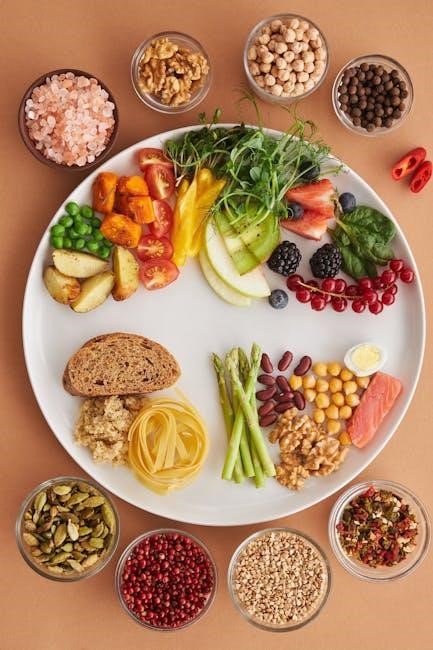
Platforms like Zoe exemplify this trend‚ offering personalized dietary insights based on individual biological data. This approach acknowledges metabolic individuality – the fact that people process nutrients differently – and aims to optimize health outcomes accordingly. Expect to see increased integration of AI and machine learning to analyze complex datasets and refine personalized recommendations.
However‚ ethical considerations surrounding data privacy and equitable access to these technologies will be crucial. The goal isn’t simply to identify “superfoods” for individuals‚ but to empower people with the knowledge to make informed dietary choices based on their unique needs and circumstances‚ moving beyond the limitations of the “Diet Myth”.
Practical Steps to Implement Spector’s Dietary Advice
Embracing Tim Spector’s principles begins with prioritizing food diversity – aiming for 30 different plant-based foods weekly to nourish your gut microbiome. Reduce consumption of ultra-processed foods‚ focusing instead on whole‚ unprocessed alternatives. Don’t fear fat; choose healthy fats like olive oil and avocados.
Challenge the conventional wisdom surrounding dairy; assess your individual tolerance rather than adhering to blanket recommendations. Increase fiber intake through vegetables‚ fruits‚ and legumes to support gut health and weight management. Explore the benefits of polyphenols found in berries‚ cocoa‚ and spices.
Listen to your body and experiment with meal timing‚ considering approaches like mindful eating rather than strict intermittent fasting. Resources like the Zoe podcast offer valuable insights. Remember‚ finding a free PDF of “Diet Myth” is secondary to understanding and applying these core principles for lasting health improvements.
Resources for Further Research & Information
For a deeper understanding of Tim Spector’s work‚ the Zoe Nutrition podcast is an invaluable resource‚ featuring discussions with experts on gut health‚ personalized nutrition‚ and debunking dietary myths. His books‚ including “Diet Myth‚” provide comprehensive insights into his research and recommendations.
Explore the Zoe website (https://zoe.com/) for access to articles‚ research summaries‚ and information about their personalized nutrition program. Numerous articles and interviews featuring Professor Spector are available online through reputable sources like Yahoo and various health publications.
While searching for a free PDF of “Diet Myth‚” prioritize legitimate sources to avoid misinformation and potential security risks. Be cautious of unofficial websites offering downloads. Academic databases and library resources may also provide access to relevant research papers and studies supporting Spector’s theories. Remember to critically evaluate all information encountered.