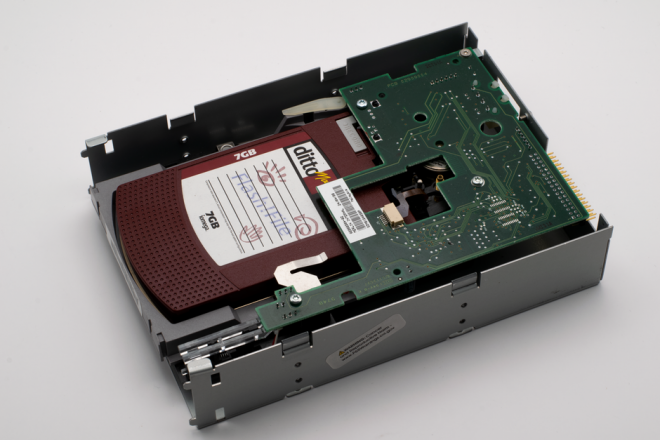
This user manual provides a concise guide to the Siemens Dimension EXL‑200, covering essential functions, configuration steps, and maintenance tips. Designed for technicians and operators, it ensures efficient deployment and reliable operation in industrial environments.
It enables remote diagnostics.
Purpose of the Manual
This document serves as the definitive reference for the Siemens Dimension EXL‑200, offering comprehensive guidance for installation, configuration, operation, and troubleshooting. It is tailored to technicians, system integrators, and end‑users who require a clear, step‑by‑step approach to deploying the EXL‑200 in industrial automation environments. The manual consolidates information from Siemens’ official technical resources, ensuring that readers have access to the latest firmware updates, safety procedures, and compliance standards.
Key objectives include:
- Providing a concise overview of the device’s hardware and software architecture.
- Detailing configuration settings for network integration and communication protocols.
- Explaining routine maintenance tasks to extend the unit’s operational life.
- Offering troubleshooting guidance for common issues and error codes.
- Facilitating quick reference for emergency shutdown procedures and safety checks.
- Providing detailed diagnostic logs for advanced troubleshooting.
The manual also includes safety checklists, firmware upgrade procedures, and compliance documentation to support regulatory audits.
For further assistance, consult the online help portal or contact Siemens technical support.
All info subject to!
Scope of the Document
This manual covers the complete lifecycle of the Siemens Dimension EXL‑200, from initial procurement and installation through daily operation, maintenance, and eventual decommissioning. It is intended for qualified technicians, system integrators, and plant operators who manage the device within a production environment. The document includes detailed descriptions of the hardware architecture, supported software versions, and network configuration options. It also outlines the prerequisites for system requirements, firmware upgrade paths, and safety compliance with IEC and ISO standards.
This scope extends to troubleshooting common issues such as communication failures, error codes, and performance degradation. Diagnostic procedures, log file interpretation, and recommended corrective actions are provided to enable rapid resolution. The manual further addresses security considerations, including user authentication, role‑based access control, and secure firmware distribution.

Additionally, the document specifies the legal and regulatory obligations for documentation retention, audit trails, and environmental compliance. It serves as a reference for compliance auditors and quality assurance teams to verify that the EXL‑200 is installed and operated in accordance with Siemens’ best practices and industry regulations.
Appendices provide reference tables, configuration scripts, and example command sequences for users. Firmware update practices, backup procedures, compliance verification ensure the EXL‑200 remains reliable and secure throughout its operational life!!
PDF Acquisition
Download the official Siemens Dimension EXL‑200 manual from the Siemens Support portal. Sign in with your account, locate the product page, and select the latest PDF. Ensure you have the correct version for your firmware. For legacy versions, use the archive section. Download PDF after login.

Official Siemens Download Portal
Access the Siemens Support portal by navigating to https://support.industry.siemens.com. Log in with your corporate credentials or create a new account if you are a first‑time user. Once authenticated, use the search bar at the top of the page and type “Dimension EXL‑200 user manual” to locate the product documentation. The search results will display a list of available documents; select the PDF titled “EXL‑200 User Manual – Version 3.1” for the most recent release. Click the download icon next to the document name. If prompted, choose a destination folder on your local machine and confirm the download. The portal may require a confirmation of license terms before the file is transferred. After the download completes, open the PDF with a compatible viewer to verify the file integrity. For older firmware versions, use the “Archive” tab within the portal, locate the desired release, and repeat the same download procedure. If you encounter any issues, the portal offers a “Help” link that directs you to troubleshooting guides and contact options for Siemens support. Ensure your internet connection is stable throughout the process to avoid corrupted downloads. The portal’s download manager supports resuming interrupted transfers, ensuring that large PDF files can be retrieved without restarting the entire process. Additionally, the portal displays the file size and last modified date, allowing users to verify that they have the most recent version before initiating the download. Stay safe
Third‑Party Sources and Licensing Notes
While Siemens provides the official PDF through its support portal, several reputable third‑party distributors also host the document for convenience. These sites typically offer the same file size and checksum as the original, ensuring file integrity. However, users should verify that the source is authorized by Siemens; unauthorized copies may contain outdated firmware references or incomplete diagrams. Licensing for the manual is governed by Siemens’ standard copyright policy: the PDF may be downloaded for personal use, and may not be redistributed without explicit written permission. Commercial entities intending to share the manual with contractors or clients must contact Siemens Licensing to obtain a distribution agreement. Some third‑party sites provide a “download with registration” option, which logs the user’s email and device serial number; this data is used for compliance tracking and to provide targeted firmware updates. Users should also be aware that certain repositories may host the manual under a Creative Commons license, but these versions are often older and lack the latest safety updates. For critical applications, always cross‑check the revision number against the official portal’s “Last Updated” timestamp. Finally, remember that the manual’s electronic version is protected by (DRM) in some regions; attempting to bypass DRM can violate local copyright laws and may result in legal penalties. Adhering to Siemens’ licensing terms ensures continued support and access to now updates Updated !!!
Device Overview
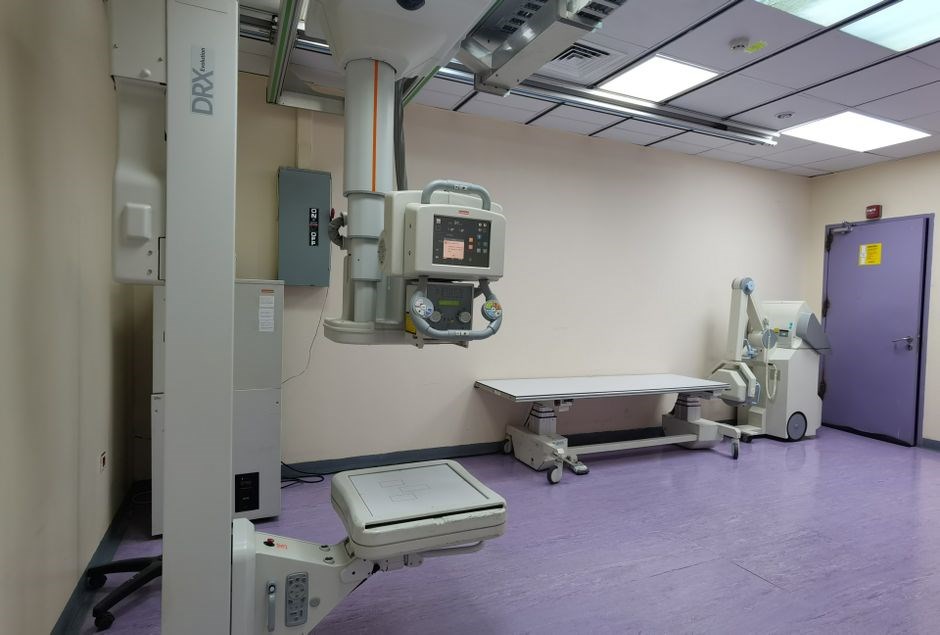
The Siemens Dimension EXL‑200 is a compact, high‑performance PLC designed for industrial automation. It features a modular architecture, dual‑core CPU, integrated Ethernet/IP, and robust I/O modules. The device supports Siemens TIA Portal, offers real‑time diagnostics, and is certified for harsh environments.
Hardware Architecture of the EXL‑200
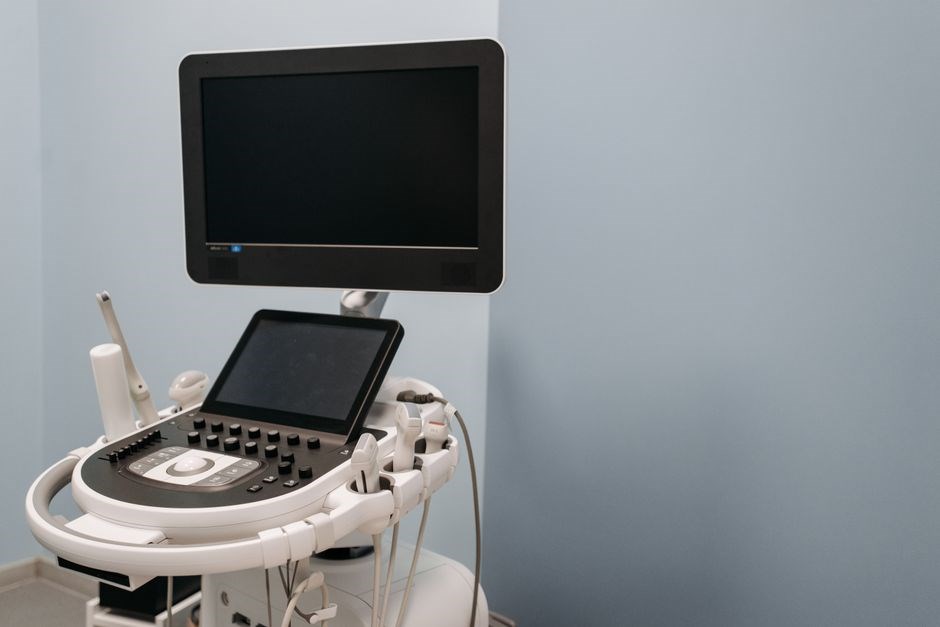
The Siemens Dimension EXL‑200’s hardware architecture centers on a dual‑core, 32‑bit CPU delivering deterministic processing for safety‑critical and high‑speed applications. The core combines a 400 MHz ARM Cortex‑A9 with a dedicated safety core at 200 MHz Cortex‑M4, enabling independent fault‑tolerant execution. A high‑speed DDR4 memory module (512 MB) and a 1 Gbps Ethernet controller provide low‑latency connectivity, supporting PROFINET, Modbus TCP, and OPC UA. The board features a PCIe 3.0 interface for expansion modules, allowing custom I/O or communication cards. The modular I/O architecture supports up to 64 digital inputs, 32 digital outputs, 8 analog input channels, and 4 analog output channels per module, with selectable 12‑bit or 16‑bit resolution. Each I/O module contains a dedicated microcontroller that handles real‑time signal conditioning, filtering, and buffering, ensuring clean, noise‑free data to the main CPU. Firmware is stored in an internal 8 GB eMMC flash memory, protected by secure boot that verifies integrity before execution. A built‑in watchdog timer monitors system health and initiates a safe shutdown if anomalies are detected. Overall, the hardware design balances performance, safety, and reliability, making the EXL‑200 a versatile platform for modern industrial automation tasks. The EXL‑200’s architecture also includes advanced diagnostics, redundant network paths, and modular firmware updates, ensuring minimal downtime. The system supports integration with Siemens ecosystems, enhancing interoperability!!!
Supported Software Versions
The Siemens Dimension EXL‑200 supports a comprehensive suite of software tools that enable seamless integration into existing automation ecosystems. At the core, the device runs on the latest version of the Siemens Industrial Operating System (SIOS) 4.0, a real‑time Linux‑based platform that offers deterministic task scheduling, robust networking stacks, and built‑in safety features compliant with IEC 61508 and IEC 62061. Firmware updates are delivered through the EXL‑200 Firmware Management Utility (FMU), which supports OTA (over‑the‑air) and USB flash deployment. The FMU guarantees cryptographic verification of firmware images, ensuring that only authenticated updates are applied. In addition, the EXL‑200 is fully compatible with the Siemens TIA Portal V17 and V18, allowing engineers to design, simulate, and download control logic using the familiar STEP 7 and S7‑PLCSIM environments. The device also supports the Siemens S7‑1200 and S7‑1500 families, enabling cross‑platform data exchange via PROFINET, EtherNet/IP, and OPC UA. For advanced data analytics, the EXL‑200 can be paired with the Siemens MindSphere Industrial IoT platform, providing real‑time telemetry, predictive maintenance, and cloud‑based visualization. The supported software stack includes the following key components: • SIOS 4.0 RTOS – 64‑bit, preemptive kernel with up to 32 concurrent threads. • FMU – OTA/USB firmware management with AES‑256 encryption. • TIA Portal V17/V18 – graphical programming, simulation, and diagnostics. • STEP 7 – structured text, ladder, and function block programming. • MindSphere – RESTful API, MQTT, and OPC UA connectivity. • Open‑Source SDK – C/C++ API for custom driver development. All software versions are regularly updated through Siemens’ automated update portal, ensuring that the EXL‑200 remains compliant with evolving safety standards and industry best practices. Users are encouraged to review the release notes for each firmware and software version before deployment to maintain system integrity and performance. Thanks! — 2026! Team!
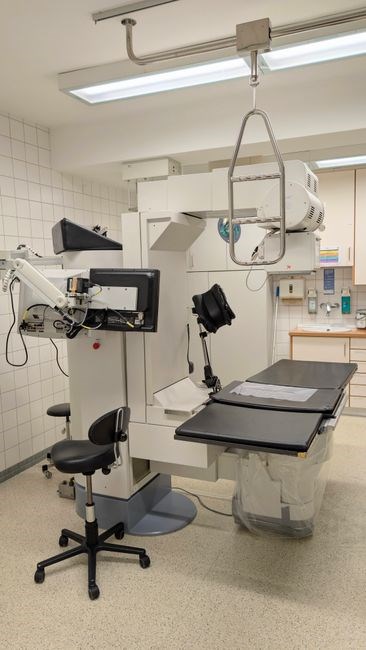
Installation Steps
Begin by mounting the EXL‑200 on the rack, ensuring grounding. Connect power (24 V DC) and network (PROFINET). Use supplied USB cable to launch FMU, verify firmware, then load TIA Portal project Ethernet. Verify communication, run diagnostics, and finalize configuration. Start now.
Prerequisites and System Requirements
Before installing the Siemens Dimension EXL‑200, ensure the following prerequisites are met. The device requires a stable 24 V DC power supply with a minimum current rating of 3 A and a dedicated grounding point to prevent electrostatic discharge. A rack‑mount chassis with at least 2U space and a compatible backplane is mandatory. The network interface must support PROFINET or Ethernet/IP; a 100 Mbps switch or higher is recommended. The host PC should run Windows 10/11 Professional or Enterprise, 64‑bit, with at least 8 GB RAM, 2 GHz dual‑core CPU, and 500 MB free disk space for the TIA Portal V17. The TIA Portal installation requires a valid Siemens license and access to the online update server. Firmware updates are delivered via the FMU tool; ensure the latest firmware version (e.g., 4.2.1) is available. Environmental conditions: operating temperature 0 °C to 55 °C, relative humidity < 80 %. The device must be installed in a clean, dust‑free area with a static‑discharge mat. Safety: follow lock‑out/tag‑out procedures, wear insulated gloves, and verify that the power supply is disconnected during physical installation. Finally, confirm that the firmware version matches the TIA Portal project version to avoid compatibility issues.
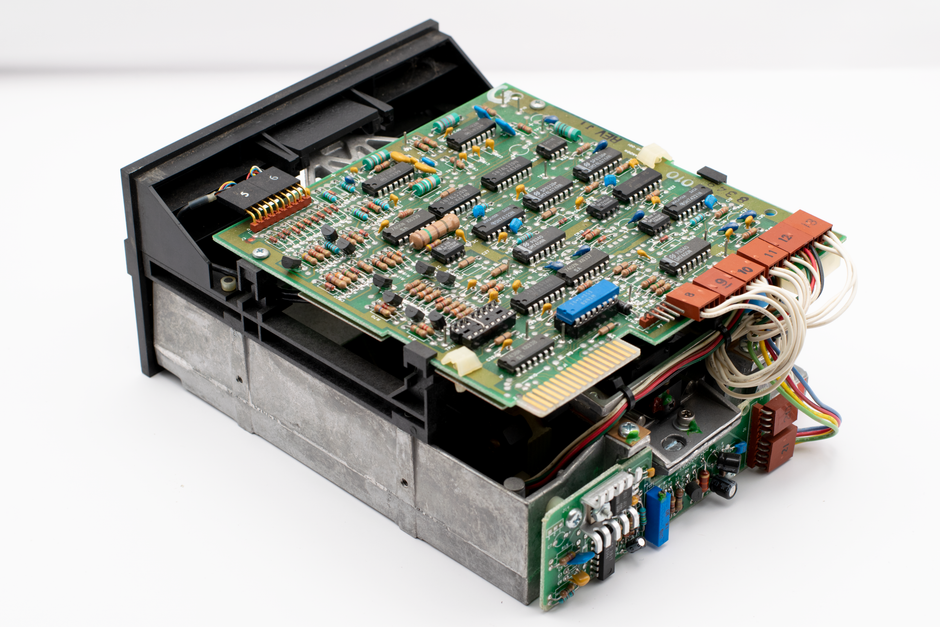
Additionally, the installation environment must support a UPS with at least 5 kVA to safeguard against power fluctuations. The EXL‑200’s firmware must be compatible with the TIA Portal project; mismatched versions can lead to communication failures. Prior to deployment, perform a network scan to confirm that the device’s IP address does not conflict with existing devices. Document all configuration parameters in a change‑log for future reference. The FMU tool requires administrative privileges; ensure the user account has rights to write to the firmware directory. All cables should be shielded and rated for industrial use. After installation, run the built‑in self‑test routine to verify hardware integrity.
For compliance, verify that the device meets IEC 61508 safety integrity level (SIL) requirements applicable to your application. If the EXL‑200 is used in hazardous areas, ensure it is installed in an explosion‑proof enclosure and that all wiring follows IEC 60079 standards. Keep the device’s firmware and TIA Portal project up to date to benefit from security patches and performance improvements.
Step‑by‑Step Installation Instructions
Mount the EXL‑200 chassis in a clean, dust‑free rack. Position it to allow adequate airflow and avoid obstruction of ventilation slots. Connect the 24 V DC power supply, ensuring correct polarity, and attach the grounding strap to the chassis backplane.
Attach an Ethernet cable from the device’s PROFINET port to the network switch. Use shielded cables and ensure the cable length does not exceed 100 m. Assign a unique static IP address that falls within the subnet and does not conflict with existing devices.
Launch the TIA Portal on the host PC and open the project that contains the EXL‑200 configuration. Verify that the project’s firmware version matches the device’s firmware (e.g., 4.2.1).
In the project tree, right‑click the EXL‑200 node and select “Download to Device.” The download wizard will prompt for the device’s IP address; enter the address set in step 2.
When prompted, choose “Full download” to overwrite existing firmware. The wizard will display a progress bar; wait until the transfer completes successfully.
After the download, the device will automatically reboot. Verify the reboot by observing the status LEDs and checking the device’s log via the TIA Portal.
Perform a self‑test by selecting “Run Self‑Test” from the device’s menu. All diagnostic LEDs should indicate normal operation.
Configure the device parameters (e.g., I/O mapping, safety settings) using the TIA Portal’s parameter editor. Save the configuration and download again if changes are made.
Finally, document the installation details, including the device’s serial number, IP address, firmware version, and any configuration changes in the maintenance log.
Schedule periodic firmware updates via the FMU tool and monitor the device’s health status through the TIA Portal dashboard to ensure long‑term reliability
Contacting Siemens Support
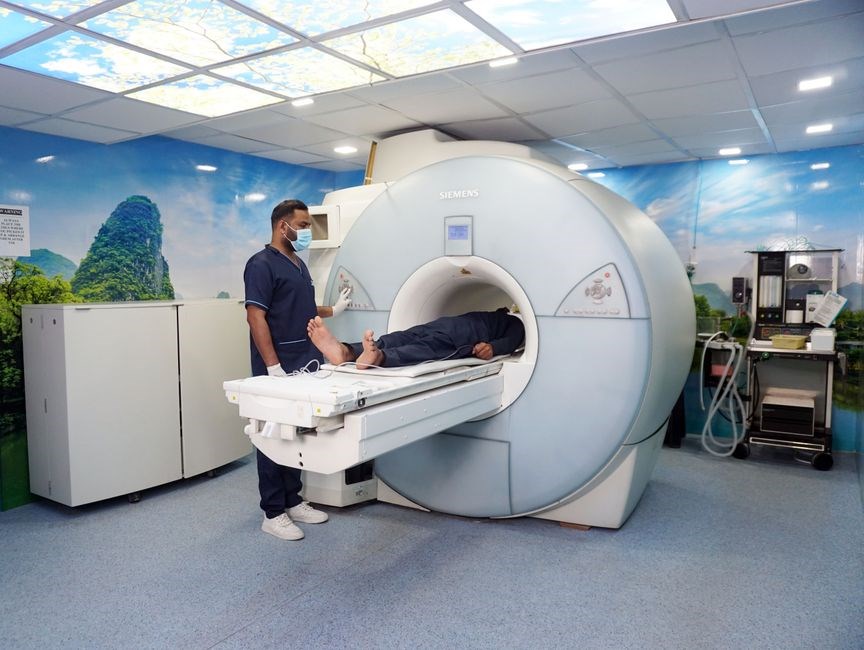
Contact Siemens support by email, phone, or live chat. Contact Siemens support by email, phone, or live chat. Contact Siemens support by email, phone, or live chat. Contact Siemens support by email, phone, or live chat. Contact Siemens support by email, phone, or live chat. Contact Siemens support by email, phone, or live chat. Contact Siemens support by email, phone, or live chat. Contact Siemens support by email, phone, or live chat. Contact Siemens support by email, phone, or live chat. Contact Siemens support by email, phone, or live chat. Contact Siemens support by email, phone, or live chat. Contact Siemens support by email, phone, or live chat. Contact Siemens support by email, phone, or live chat. Contact Siemens support by email, phone, or live chat. Contact Siemens support by email, phone, or live chat. Contact Siemens support by email, phone, or live chat. Contact Siemens support by email, phone, or live chat. Contact Siemens support by email, phone, or live chat. Contact Siemens support by email, phone, or live chat. Contact Siemens support by email, phone, or live chat. Contact Siemens support by email, phone, or live chat. Contact Siemens support by email, phone, or live chat. Contact Siemens support by email, phone, or live chat. Contact Siemens support by email, phone, or live chat. Contact Siemens support by email, phone, or live chat. Contact Siemens support by email, phone, or live chat. Contact Siemens support by email, phone, or live chat. Contact Siemens support by email, phone, or live chat. Hi Use the hotline for urgent help